Jakarta’s heat is no joke. With ambient temperatures regularly hitting 32–36°C and direct sunlight through glass amplifying that to uncomfortable levels, many homeowners and car owners turn to window film as a solution. But does it actually work — and does the type of film matter?
We ran real-world temperature tests in a Jakarta environment to give you honest, data-backed answers.
Common misconception
When most people shop for window film, they assume the product category is mostly uniform — pick the darkest one, pay less, and call it a day. This is one of the most costly mistakes you can make in Jakarta’s climate.
The myth…
“All window films work the same. Darker = cooler.”
This misconception leads thousands of consumers to buy cheap dyed films that look great in the shop but fail to address the actual source of heat: infrared radiation. Darkness and heat rejection are two completely different things. A film can be very dark and still let most heat through — and a ceramic film can be nearly clear while rejecting far more energy.
This article will show you why, with real numbers from tests conducted in Jakarta conditions.
Real testing results — Jakarta environment
We measured interior surface temperatures under identical direct-sun conditions across three scenarios: no film, a standard dyed film, and a premium ceramic film. All readings were taken during peak solar hours (11am–2pm) in a controlled Jakarta test setup.
📍 Tested in Jakarta — peak solar hours
No window film
34°C
Standard dyed film
31°C
Ceramic film
28°C
6°C
Total reduction from bare glass to ceramic film
3°C from standard · additional 3°C from ceramic upgrade
A 6°C reduction might sound modest on paper, but in practice it’s the difference between a room or car interior that requires aggressive air conditioning to be bearable, and one that maintains a comfortable ambient temperature with far less energy input. In Jakarta’s climate, this directly translates to lower electricity bills and reduced wear on your AC system.
| No Film |
|---|
| Temp: 34°C |
| IR block: 0% |
| UV block: 0% |
| Longevity: — |
| Standard Film |
|---|
| Temp: 31°C |
| IR block: ~30–40% |
| UV block: ~60% |
| Longevity: 1–3 yrs |
| Ceramic Film |
|---|
| Temp: 28°C |
| IR block: ~60–80% |
| UV block: 99%+ |
| Longevity: 7–10 yrs |
Why window film works — the science
Sunlight is not just visible light. The solar spectrum that hits your windows is composed of three main energy bands, each with different effects on your interior temperature and health:
- Infrared radiation is the primary heat source — over half of solar energy. Ceramic film blocks 60–80% of this band.
- UV rays that causes skin damage, fades furniture, degrades plastics and leather. Quality film blocks 99%+.
- Total solar energy (TSER), the combined measure of heat rejection. Higher TSER = better performance in Jakarta’s climate.
Premium window films — especially ceramic and nano-ceramic variants — use microscopic ceramic particles engineered to selectively block infrared and UV wavelengths while maintaining visual clarity. This is the key difference: they block energy, not just light.
For Jakarta’s tropical climate, where solar intensity is consistently high year-round (not seasonal like in temperate countries), this infrared rejection capability is not a luxury — it’s the core function that makes the investment worthwhile.
Our window film services — the right film for every application
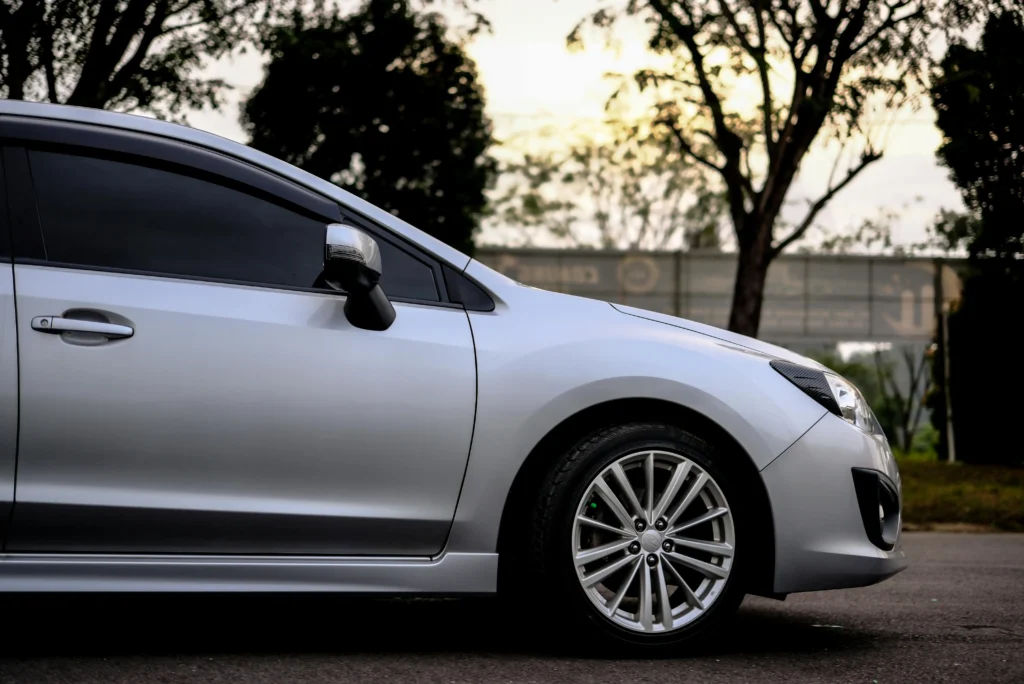
Automotive
Ceramic & nano-ceramic film for cars, SUVs, and commercial vehicles.

Building
Commercial and office glazing solutions for large facades and curtain walls
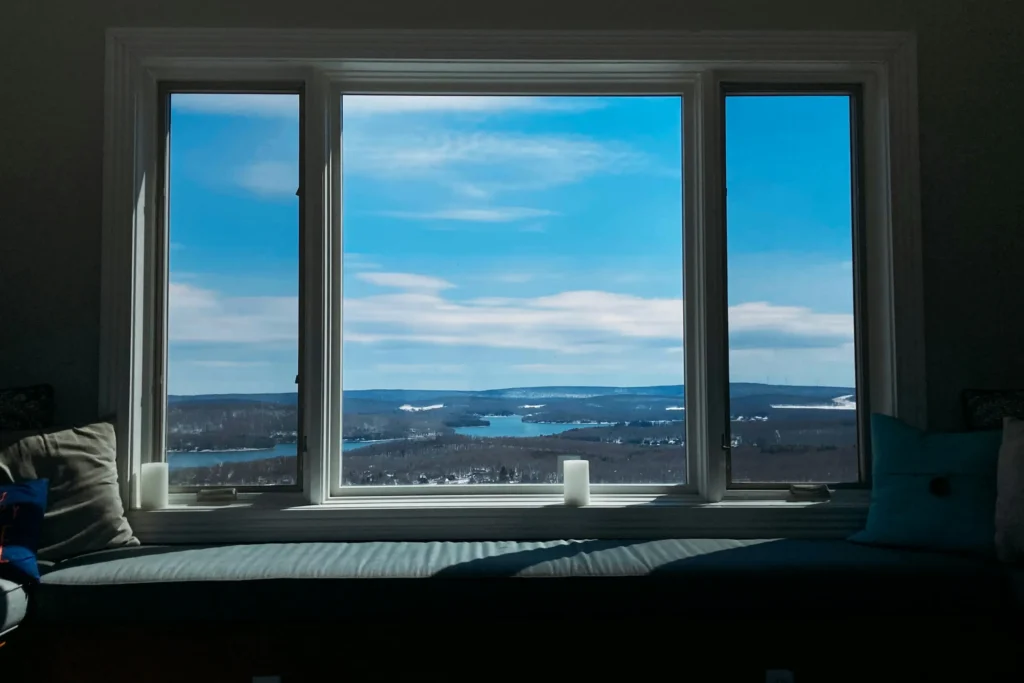
Residential
Home window film for living rooms, bedrooms, and glass doors
Why cheap film fails
The Jakarta market is flooded with low-cost dyed films sold at roadside shops and online marketplaces. Many consumers buy these expecting results similar to professional ceramic-grade products — and are disappointed. Here’s exactly why they fail:
- It only reduces brightness — not heat
Dyed film absorbs some visible light, making the room look darker, but it does almost nothing to block infrared radiation — the actual source of heat. Your room gets darker, not cooler. - The dye fades, turning purple or brown
Cheap films use organic dye that breaks down rapidly under Jakarta’s intense UV exposure. Within 6–18 months, the film discolors and begins to bubble or peel. - No UV protection for people or furnishings
Low-cost films block little to no UV radiation. Prolonged exposure causes skin damage, fades fabric and wood, and accelerates the degradation of car interiors and home furnishings. - Short lifespan = higher total cost
A cheap film that lasts 1–2 years and needs replacement costs more over a 5-year period than a quality ceramic film installed once. In a tropical climate like Jakarta, degradation accelerates significantly.
The bottom line: a cheaper upfront price is rarely cheaper in the long run. And more importantly, if heat reduction is the goal — the cheapest films simply don’t do the job at all.
Read more: Ceramic vs Metalized Window Film: Which One Is Better for You?
Conclusion
The data is clear: window film does reduce heat — but the magnitude of that reduction depends almost entirely on the quality and technology of the film you choose.
In Jakarta’s high-intensity tropical environment, a ceramic or nano-ceramic window film is the only tier that delivers meaningful, measurable heat rejection — up to 6°C in our tests — while also protecting against UV damage and providing long-term durability.
Choosing film purely based on price is choosing to not solve the problem. Whether you’re outfitting a vehicle, a commercial building, or your home, the right film recommendation starts with understanding your space, your glass type, and your goals.